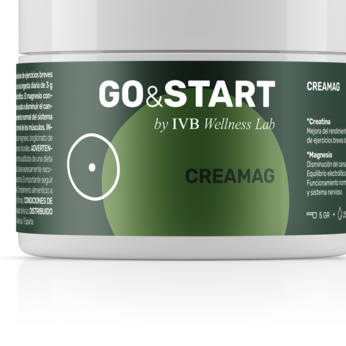
Creatine Supplementation

Why supplement with creatine at all?
Creatine is a natural, endogenous substance. The body obtains the amino acids glycine, arginine, and methionine from ingested food and uses them to produce creatine. Additional creatine is also ingested through food, primarily fish and meat. Fish and meat contain between 3 and 7 g/kg of creatine. Anyone who does not have a balanced diet and consumes little fish and meat is likely to have lower creatine levels in their body. This is especially true for vegetarians and vegans, who consume little or no creatine through their diet, but also for athletes who need additional creatine for muscle growth and faster recovery after strenuous training sessions. These groups, in particular, can benefit from creatine supplementation.
Charging phase
You can find articles online suggesting a higher dosage than the recommended three to five grams of creatine per day. They suggest starting with a high dose and then reducing it after a few days.
However, high-dose strategies are unnecessary and not recommended by us. Studies show that after three to four weeks of daily intake of three to five grams, the body's creatine stores are just as high as after a high initial dose.
Recommended creatine intake
Creatine monohydrate supplementation increases the body's creatine stores. Creatine in moderate amounts has proven positive effects. We recommend a creatine intake of 3 to 5 g per day. At this amount, creatine has been assessed as safe by the European Food Safety Authority (3 g) and by a panel of experts in the USA (5 g). The most common form of creatine is creatine monohydrate, which can be taken according to your personal preference as a powder, chewable tablet, in capsules, etc. As with any dietary supplement, purity is particularly important with creatine. Therefore, only use creatine from reputable sources of known origin.