Is creatine harmful?

Creatine as a natural substance
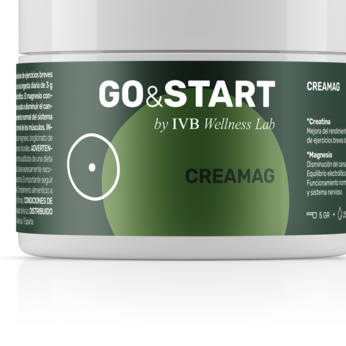
Creatine occurs naturally in the body. It is partly produced by the body itself and partly obtained through food. Supplementing with 3 g of creatine per day, for example in the form of creatine monohydrate, can have positive effects on the body, muscles, and muscle growth. It has been scientifically proven that creatine as a dietary supplement can improve physical performance. In this capacity, creatine is recognized by health authorities and sports organizations worldwide. It is easily absorbed by the body and, when manufactured according to high quality standards and taken in the recommended dose, has an excellent safety profile. There are occasional reports online that supplementing or taking creatine (monohydrate) leads to cramps, abdominal pain, or dehydration. However, hundreds of studies in which subjects took creatine monohydrate have so far provided no scientific evidence of these side effects. The only proven side effect is slight weight gain. It is initially due to increased water retention in the muscles and subsequently to an increase in muscle mass – which is desired by many athletes.
Supplementation and creatine as a dietary supplement
If, for example, more creatine is ingested as a supplement than the body needs, the excess is excreted in the urine. However, higher levels of creatine in the body also mean that more creatine is broken down into creatinine. This can cause the creatinine concentration in the blood and urine to rise slightly. For the same reason, people with greater muscle mass may have higher creatinine levels compared to those with less. This is not a cause for concern, as the higher creatinine levels are within normal limits, and creatinine has not been proven to be harmful in any case, with no known side effects.