Can creatine go bad?

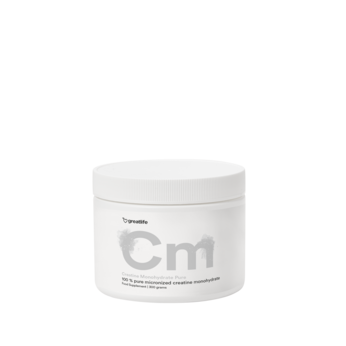
Creatine Monohydrate
As a powder, creatine monohydrate can be stored for years if kept properly, i.e., dry and not too warm. Like other foods and dietary supplements, creatine products have a best-before date, before which the creatine product can be safely taken.
Creatine stability
When creatine monohydrate is stirred into liquids, it slowly converts to creatinine, which is physiologically inactive but not harmful. In slightly acidic drinks like orange juice, less than five percent of creatine monohydrate is broken down to creatinine within eight hours. Therefore, creatine monohydrate can be safely mixed into drinks as long as they are consumed the same day. In milk or yogurt drinks, which are alkaline, creatine monohydrate can even be stored in the refrigerator for several weeks with almost no loss. The common claim that stomach acid quickly breaks down creatine is false. In fact, most of the ingested creatine passes through the stomach intact, is absorbed, and more than 95 percent enters the bloodstream.
Recommended creatine intake
Creatine monohydrate supplementation increases the body's creatine stores. Creatine in moderate amounts has proven positive effects. We recommend a creatine intake of 3 to 5 g per day. At this amount, creatine has been assessed as safe by the European Food Safety Authority (3 g) and by a panel of experts in the USA (5 g). The most common form of creatine is creatine monohydrate, which can be taken according to your personal preference as a powder, chewable tablet, in capsules, etc. As with any dietary supplement, purity is particularly important with creatine. Therefore, only use creatine from reputable sources of known origin.